SCREAM
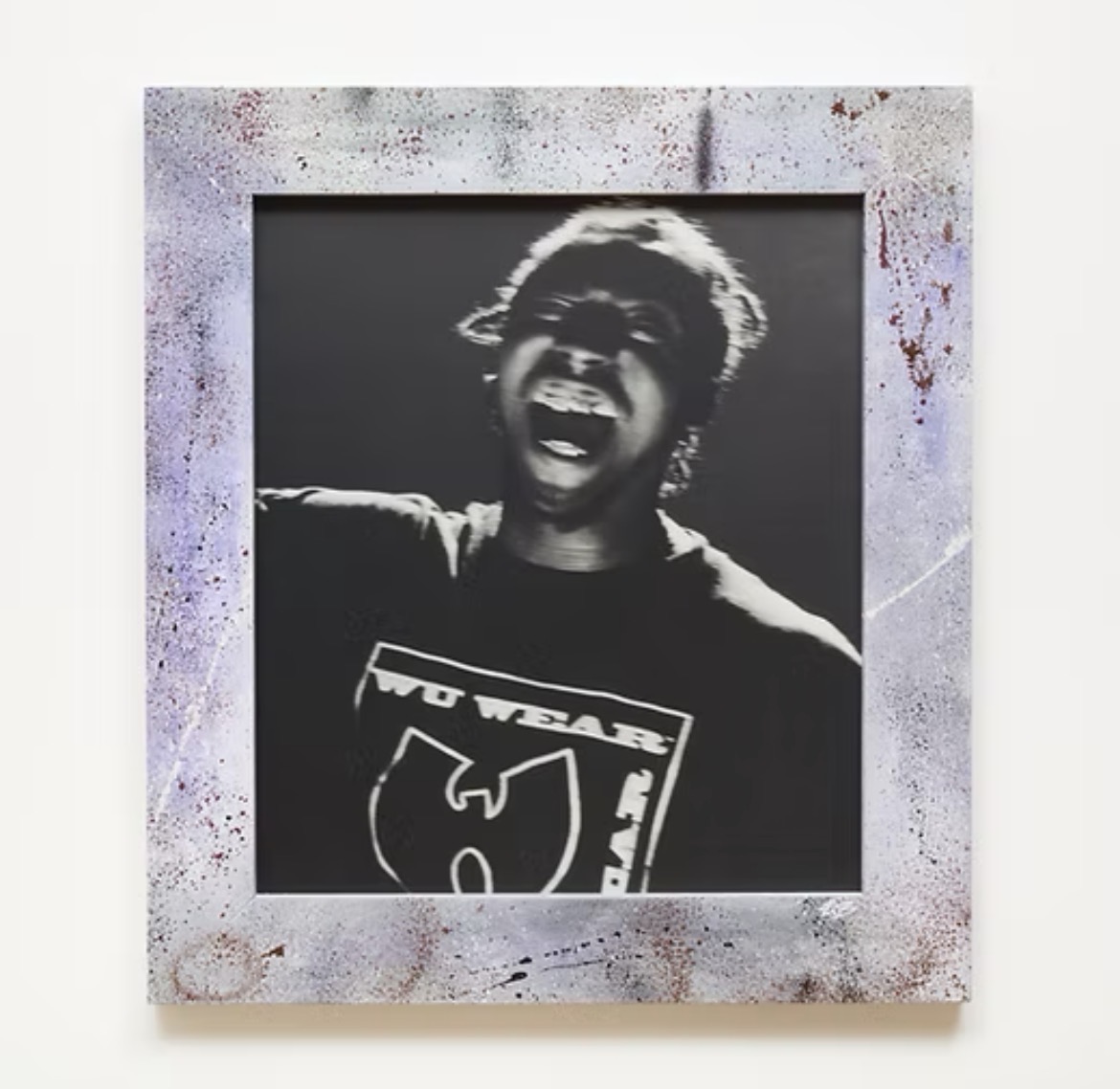
Old Dirty Bastard aka O.D.B — Long Island
Long Island, New York — 1995
Camera
Olympus OMG (OM20)
Film
Kodak Tri-X 400 (pushed to 1600)
Edition
1 out of 1
Year
1995
Medium
Archival Pigment Print on Steel
Paper
Metal Steel — each print is unique
Size
24" × 18"
Frame
Custom frame by Ki Smith
Hand-painted by two of NYC's most legendary graffiti artists — each frame is a singular work of art.
Signed & numbered by the artist · Certificate of Authenticity included
Erik Elijah Brumfield
ODB opened his mouth and the whole world came out.
This was Long Island, 1995. Wu-Tang was already a movement, already a mythology in the making. ODB was its most unpredictable, most human, most cosmically chaotic force. Nobody performed like him. Nobody existed like him.
I pushed the Tri-X to 1600 that night because the light was terrible and I refused to miss this. The grain in this photograph is not a flaw — it is the photograph. That granular texture in the blacks, the way the Wu-Wear logo blooms slightly in the high contrast — it's the sound of that room, made visible.
He was mid-scream when I pressed the shutter. Eyes closed or nearly closed. Head tilted back. Mouth wide open as if he was trying to swallow the room, or let the room swallow him. It was the purest performance I have ever photographed.
I carry this frame with me everywhere. It is proof that some people burn differently than the rest of us — brighter, faster, hotter. Russell Tyrone Jones was one of those people. And for one instant in Long Island, he let me photograph his fire.
© 1995 Erik Elijah Brumfield / 1212NYC — All rights reserved
Custom Frames by Ki Smith
Painted by SMITH of SANE & SMITH · Queens Icon ELI
Each print in the 1212NYC Archive is housed in a one-of-a-kind custom frame handcrafted by Ki Smith and painted by two of New York City's most legendary graffiti artists: SMITH — one half of the iconic SANE & SMITH duo whose work defined the golden era of NYC subway and street graffiti — and ELI, a Queens icon whose style has been embedded in the borough's visual language for decades.
SANE & SMITH are not merely street artists. They are architects of a visual culture that ran through every borough, every train line, every wall that mattered. SMITH's hand on these frames transforms each piece from a photograph into a full artifact — a collision of two art forms that were born on the same streets, in the same era, from the same hunger.
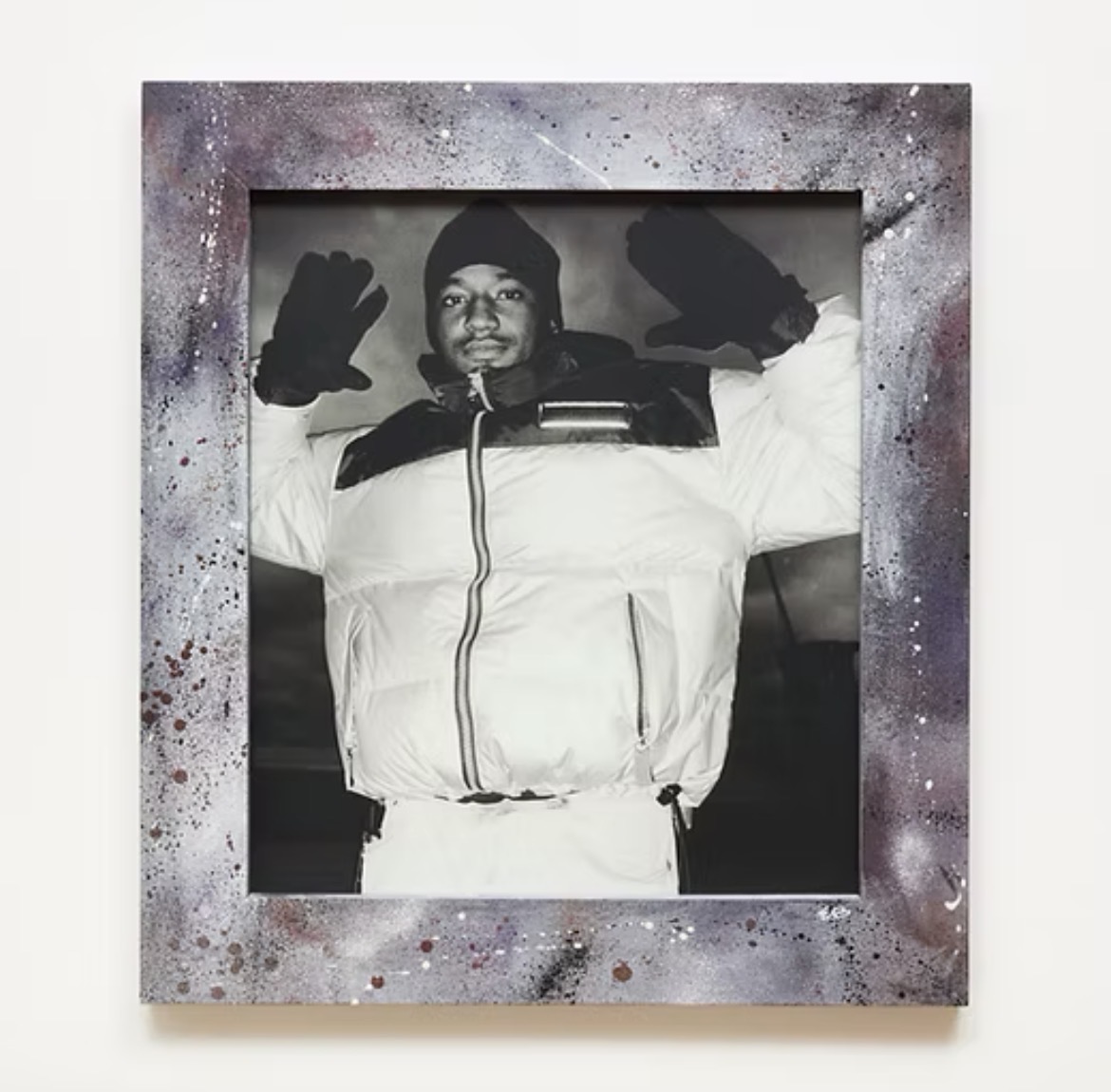
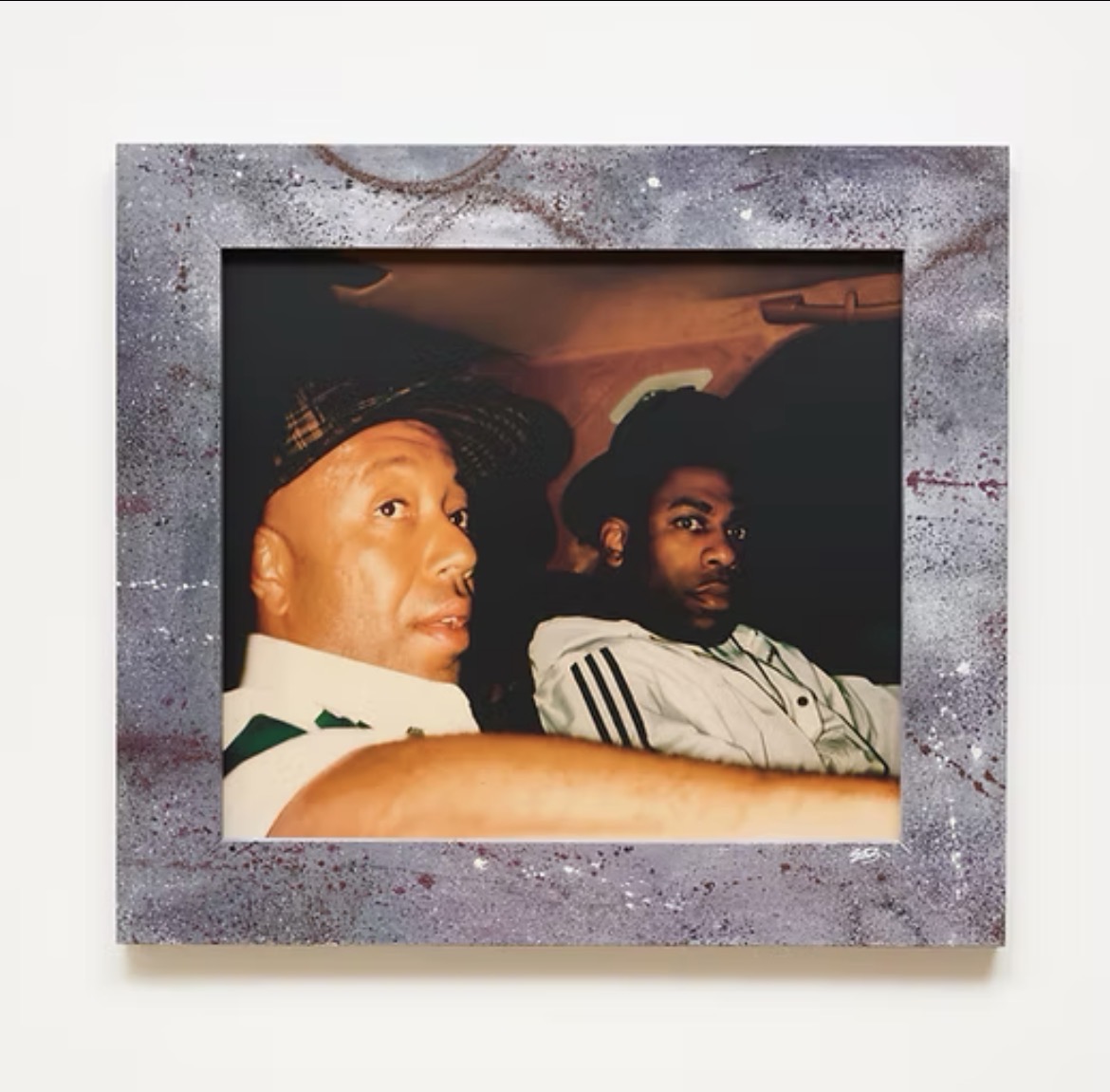
The spray-paint drips, the cosmic swirl of color, the spatter — these are not decorative flourishes. They are SMITH's signature energy, applied with the same intentionality that made his pieces legendary on the 2 train and beyond. Queens' own ELI brings his distinct touch: bold, neighborhood-rooted, carrying the weight of the outer boroughs in every mark.
This is not merchandise. This is documented cultural history — photography meets graffiti art, the two most honest art forms New York City ever produced.
SMITH
One half of the legendary SANE & SMITH graffiti duo. Alongside his partner SANE, SMITH defined an era of New York City style writing — their pieces appeared on subway cars, highway overpasses, and buildings throughout all five boroughs during the late 1980s and early 90s. SANE & SMITH are considered foundational figures in the canon of American graffiti art. SMITH's work on these frames is among the most significant applications of his craft in a fine art context.
ELI
A Queens-born graffiti icon whose visual language is inseparable from the streets and style of the outer boroughs. ELI's work carries the DNA of NYC neighborhood culture — raw, precise, and deeply local. His contribution to these frames adds a borough-specific energy that roots each piece in the geography that produced hip-hop itself.
KI SMITH
The craftsman behind the custom frame construction. Ki Smith's fabrication forms the physical foundation of each piece — the architecture upon which SMITH and ELI's artistry lives.
Collector's Note
"Photography meets graffiti art — the two most honest art forms New York City ever produced. Each frame is irreplaceable."
— The provenance of SMITH's hand alone places these works in a category of documented cultural significance.